Cellular Research
NAD+
Also known as Nicotinamide adenine dinucleotide
Central redox coenzyme studied in mitochondrial function, sirtuin signalling, and aging research.
- Classification
- Dinucleotide coenzyme (not a peptide)
- Supplied form
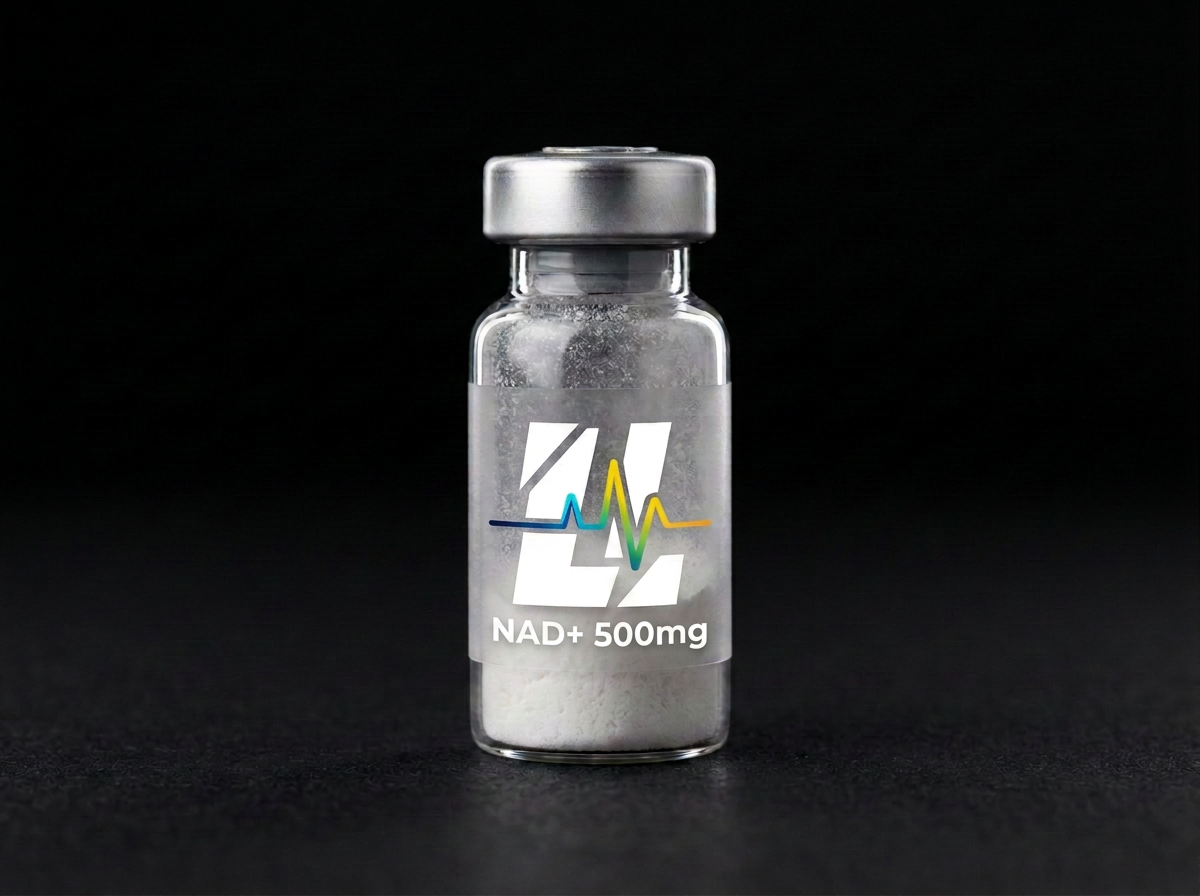
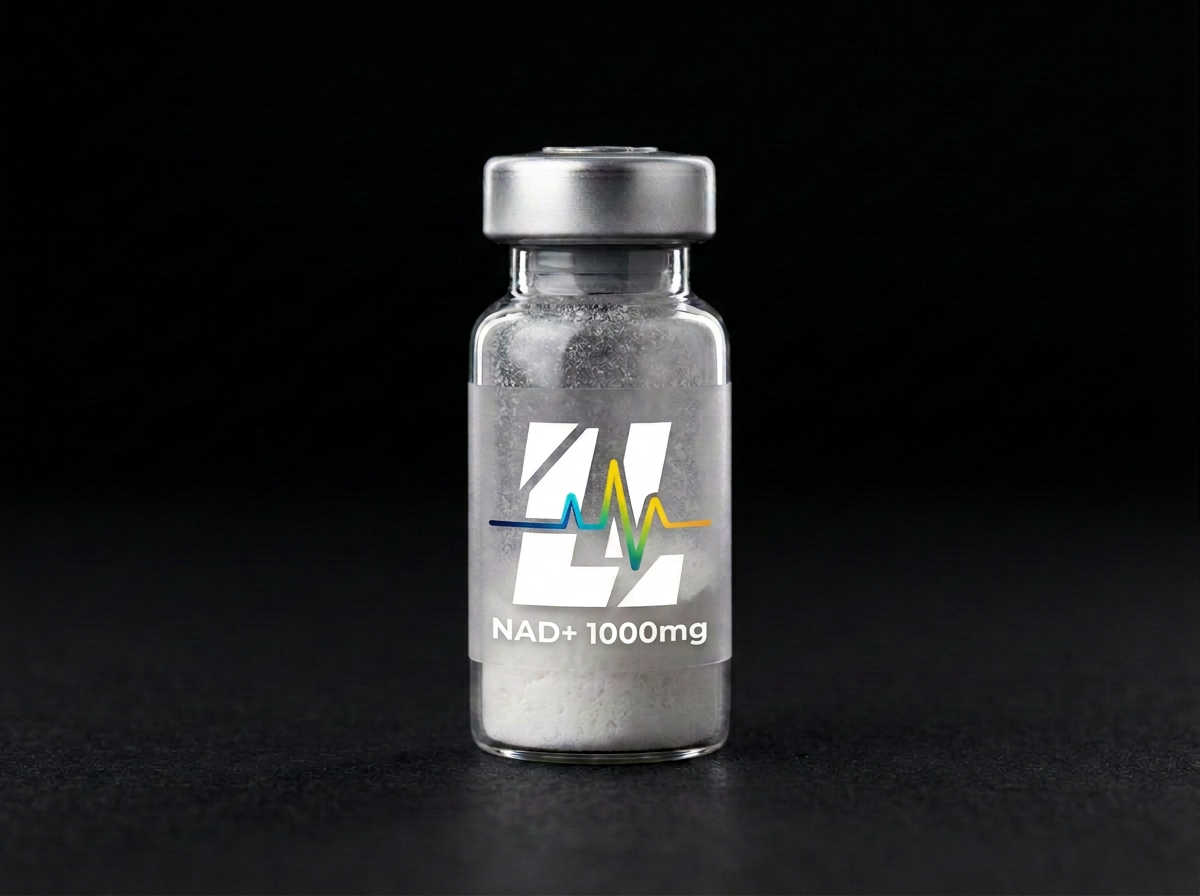
- Lyophilized powder, research vial
- Storage
- Store lyophilized powder cold and dry, protected from light. NAD+ in solution is comparatively labile and is generally prepared fresh.
- Solubility
- Highly water soluble.
What NAD+ is
NAD+ is a coenzyme found in every living cell, functioning as an electron carrier in redox reactions and as a substrate for sirtuins, PARPs, and CD38.
Research context
Research examines cellular energy production, DNA-repair enzymes, mitochondrial biology, and the decline of NAD+ levels associated with aging.
Handling in the laboratory
Listed in 500mg and 1000mg research vials for laboratory workflows.
Research disclaimer
Supplied for legitimate laboratory research purposes only. Not for human or veterinary use. Lucent Life does not provide medical advice, diagnosis, treatment, or dosing instructions.
Catalog listings
Frequently asked
Is NAD+ a peptide?
No. It is a dinucleotide coenzyme, listed in the catalog alongside peptides as a laboratory reference material.
More reference pages
Research disclaimer: This page is a laboratory reference summary of published research context. Products supplied by Lucent Life are reference materials for in-vitro laboratory research only — not drugs, supplements, or products for human consumption.